The study that changed the conversation
On March 31, 2026, eClinicalMedicine (a Lancet journal) published a study analyzing urinary phthalate metabolites in 6,000 pregnant women across 18 countries. The finding: exposure to diisononyl phthalate (DiNP) was associated with an estimated 1.88 million preterm births per year globally — making it one of the most significant environmental-chemical findings in reproductive health in a decade.
DiNP is not DEHP. That distinction is the core problem this article addresses.
DEHP was banned. DiNP stepped in.
In 2008, the Consumer Product Safety Improvement Act (CPSIA) restricted eight specific phthalates in children's products, including DEHP, DBP, and BBP — each at concentrations above 0.1% by weight. DEHP was the dominant phthalate plasticizer in PVC products: it made vinyl soft, flexible, and cheap. When the CPSIA ban took effect, manufacturers needed a replacement.
They chose DiNP.
DiNP is chemically similar to DEHP: both are diester plasticizers, both soften PVC, and both are di-alkyl phthalates with branched side chains. The structural similarity is not incidental — DiNP was developed precisely because it could substitute for DEHP in PVC formulations with minimal reformulation cost. CPSIA restricted eight phthalates. DiNP was not on that list.
This is what chemists and regulators call a regrettable substitution: a restricted chemical replaced by a structurally similar analogue whose hazard profile was not fully characterized at the time of substitution. The 2026 eClinicalMedicine study is the most prominent evidence to date that DiNP's hazard profile looks a great deal like what it replaced.
What this means in your home
Phthalates enter the body primarily through three routes: ingestion (mouthing objects, food contact), inhalation (dust from flooring, upholstery, shower curtains), and dermal contact (PVC clothing, rain gear, upholstery fabric). For infants and toddlers, mouthing is the dominant pathway — which is why the products below matter.
The CPSIA phthalate ban covers children's toys and childcare articles at concentrations above 0.1% by weight. That is a meaningful limit for the eight restricted phthalates. But DiNP — now the dominant plasticizer in many PVC products — sits outside that limit's scope. A product can pass CPSIA compliance testing and still contain DiNP at concentrations above what the restricted phthalates were banned at.
The practical implication: "CPSIA compliant" does not mean "phthalate-free." The label answers the legal question, not the chemical one.
Phthalates are a family of chemicals, not a single chemical. Restricting one member without restricting structurally similar analogues invites regrettable substitution.
Where phthalates hide — and what to use instead
Most phthalate exposure in baby products comes from PVC. The diagnostic question for any product is: does it contain flexible PVC (vinyl)? If yes, it almost certainly contains a phthalate plasticizer or a close structural analogue. Eight categories where PVC shows up most frequently in baby gear:
Teethers
The obvious risk category: objects designed to go directly into a mouth, chewed persistently, warmed by saliva. Any teether made from flexible PVC contains a plasticizer. The alternatives are mature and well-priced.
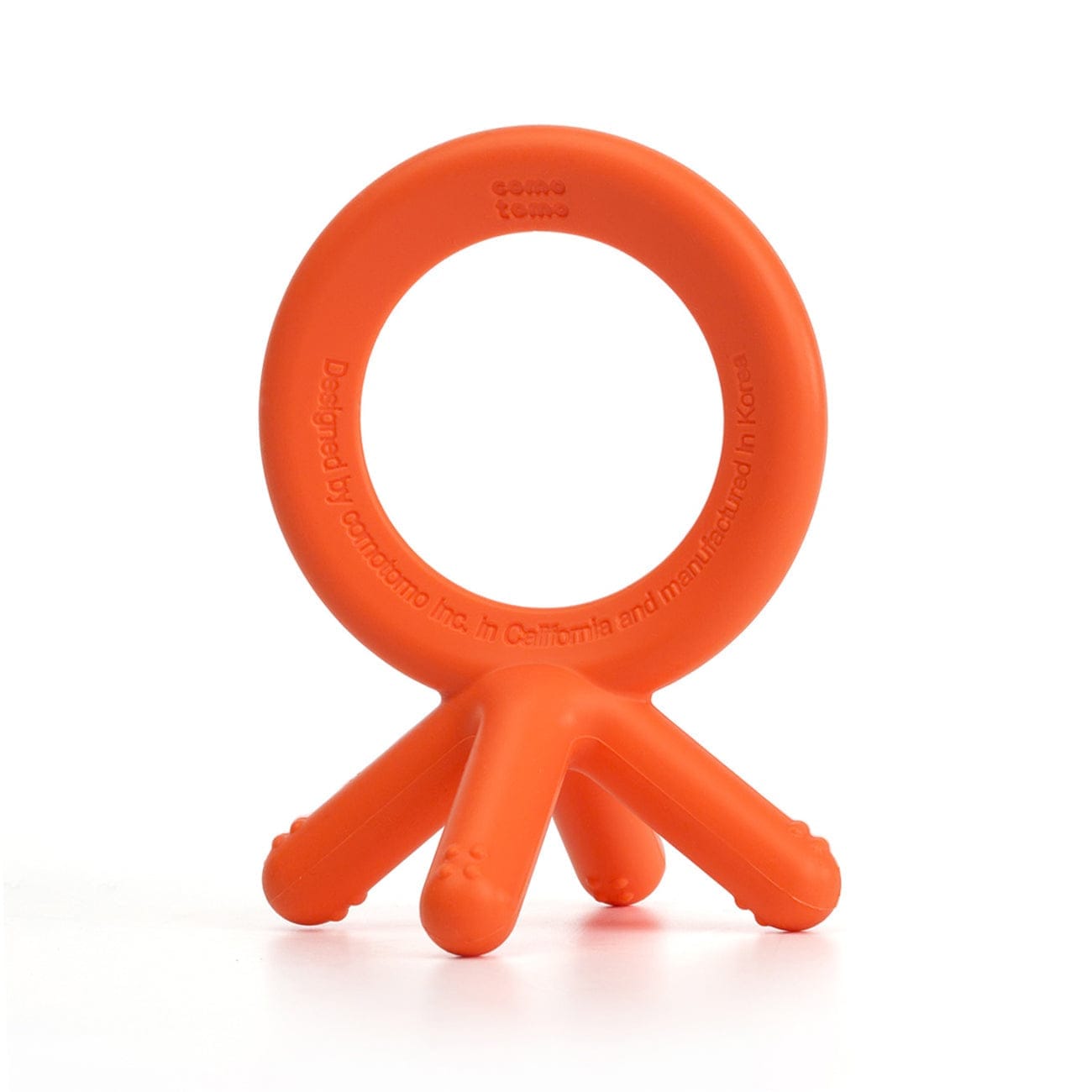
Silicone: The Comotomo Baby Silicone Teether is 100% medical-grade silicone — a polymer of silicon and oxygen, not a carbon-chain PVC, and requires no phthalate plasticizers. Material composition is disclosed on the product page.
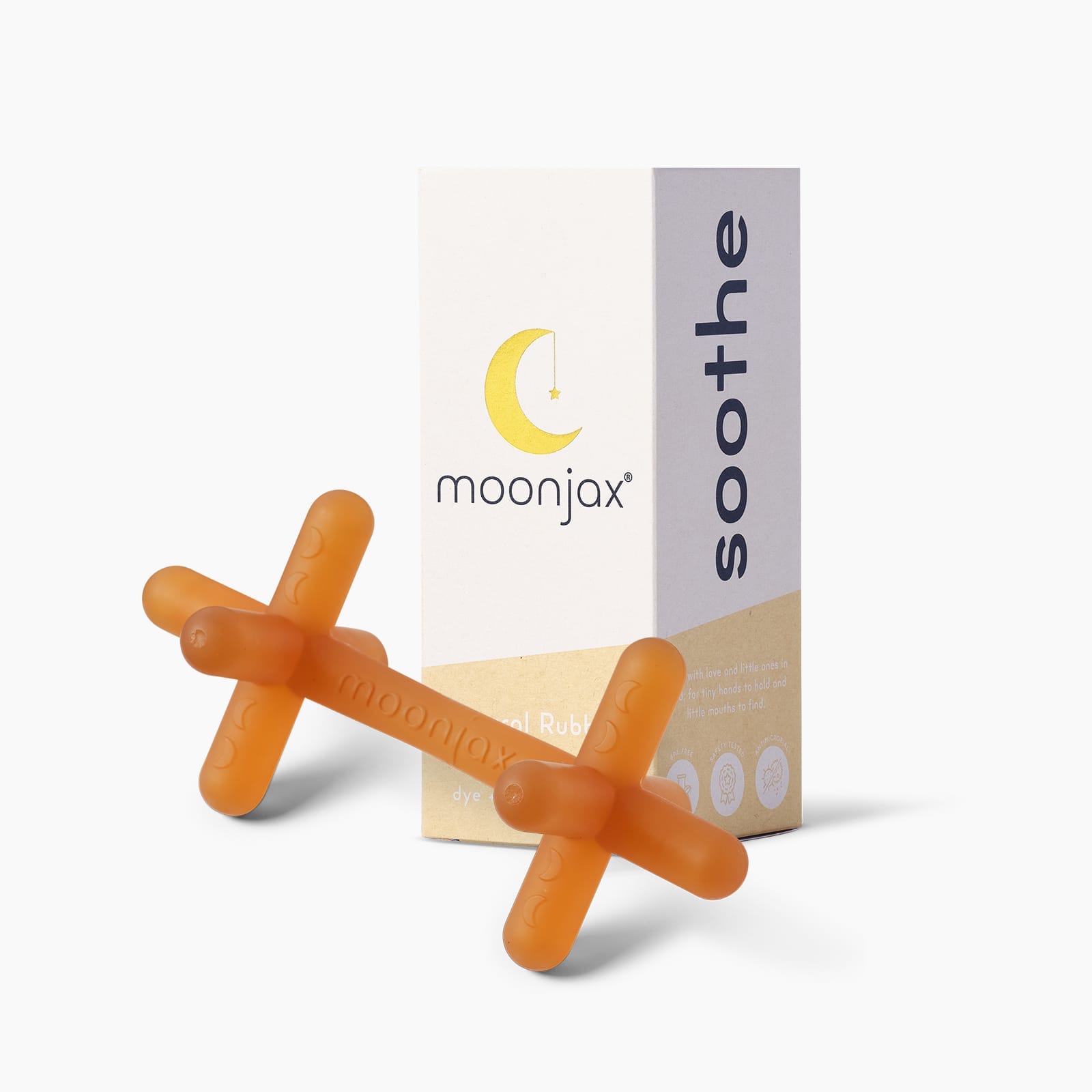
Natural rubber: is pressed from a single piece of Hevea brasiliensis latex with no seams, no glued joins, no secondary materials. Formulation disclosed: no synthetic rubber, no artificial colors, no added FRs. The Moonjax natural rubber teether follows the same construction logic and discloses their sourcing.
Bath toys
Standard bath toys are injection-molded PVC with a hole in the bottom — a design that lets water in and harbors mold. The phthalate risk is the flexible vinyl; the mold risk is architectural. The alternatives solve both simultaneously.

Natural rubber, one piece: The HEVEA Natural Rubber Duck, the CaaOcho natural rubber bath toy, and the Oli & Carol natural rubber toys are all one-piece Hevea rubber with no holes. No PVC, no plasticizers, no internal water cavity for mold. All three brands disclose their formulations.
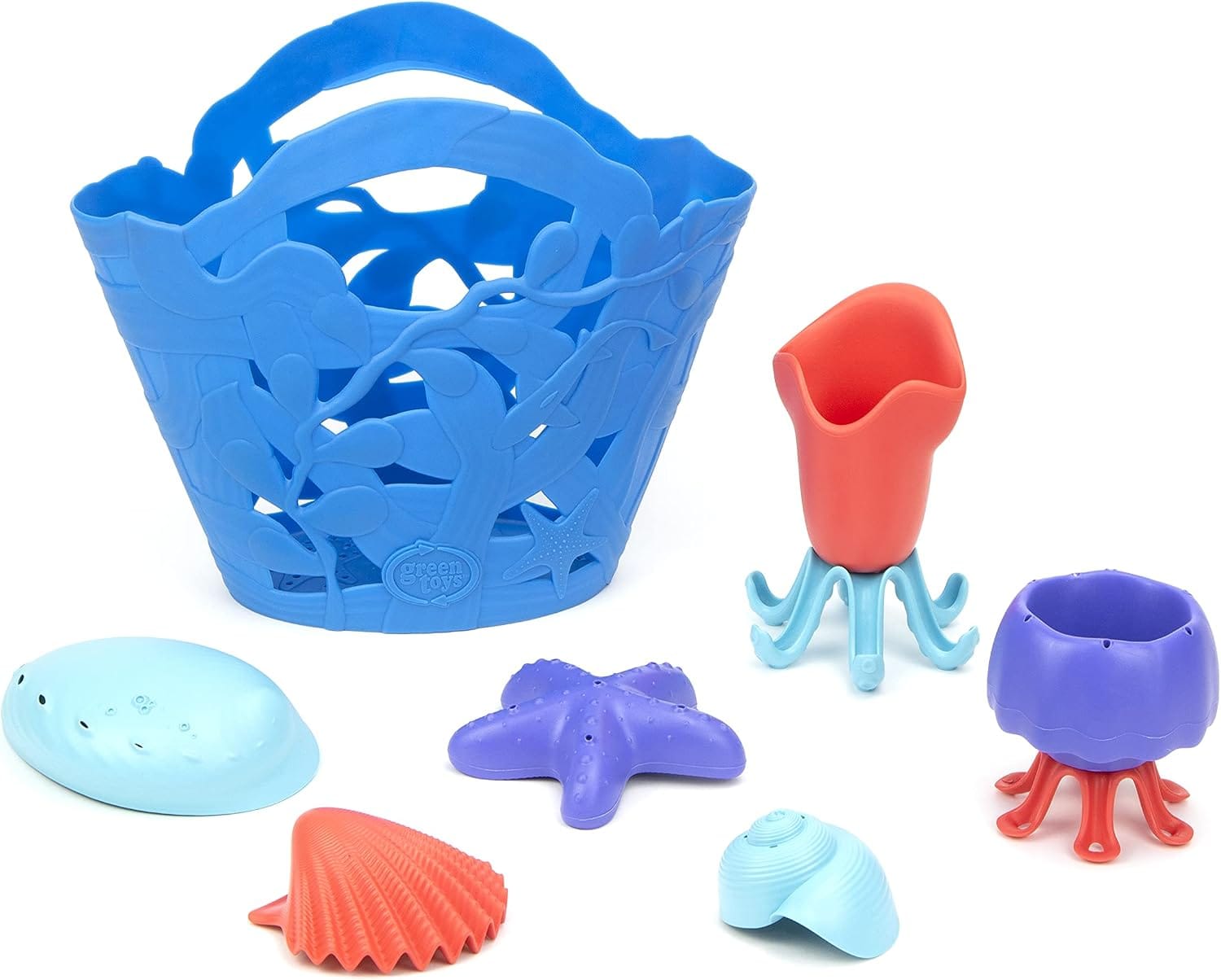
Recycled HDPE: The Green Toys Recycled HDPE Bath Set takes a different route — HDPE is a rigid polyethylene that does not require plasticizers. Made from post-consumer milk jugs in the US, with published third-party phthalate test results.
Bibs
Most wipeable bibs are either PVC-coated fabric or food-grade silicone. The coating is where the phthalates live. Fabric bibs that absorb rather than repel raise a different question: what was the cotton processed with?
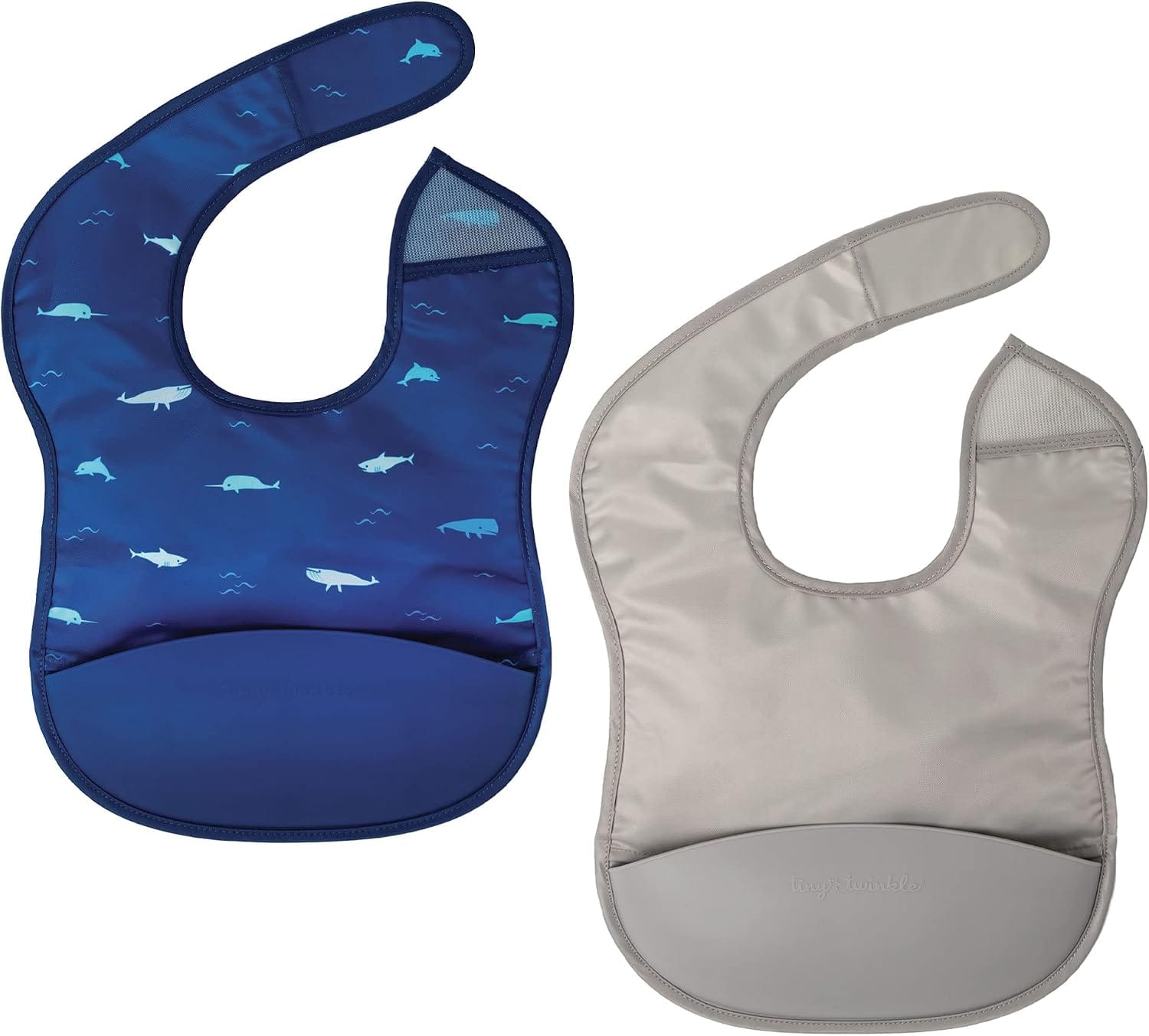
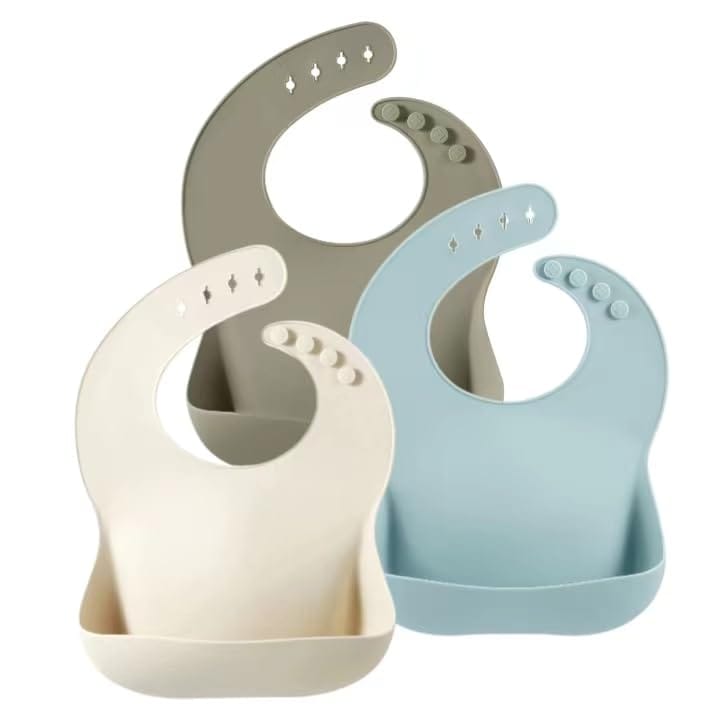
Silicone: The Tiny Twinkle OEKO-TEX Silicone Bib is 100% food-grade silicone and OEKO-TEX Standard 100 certified — OEKO-TEX tests for phthalates among more than 1,000 restricted substances. The PandaEar Silicone Bib is the budget version of the same logic: food-grade silicone, no PVC, no coating.
Pacifiers
Pacifier bodies are most often polypropylene or silicone — neither requires phthalate plasticizers. The nipple material is where the relevant distinction lies.
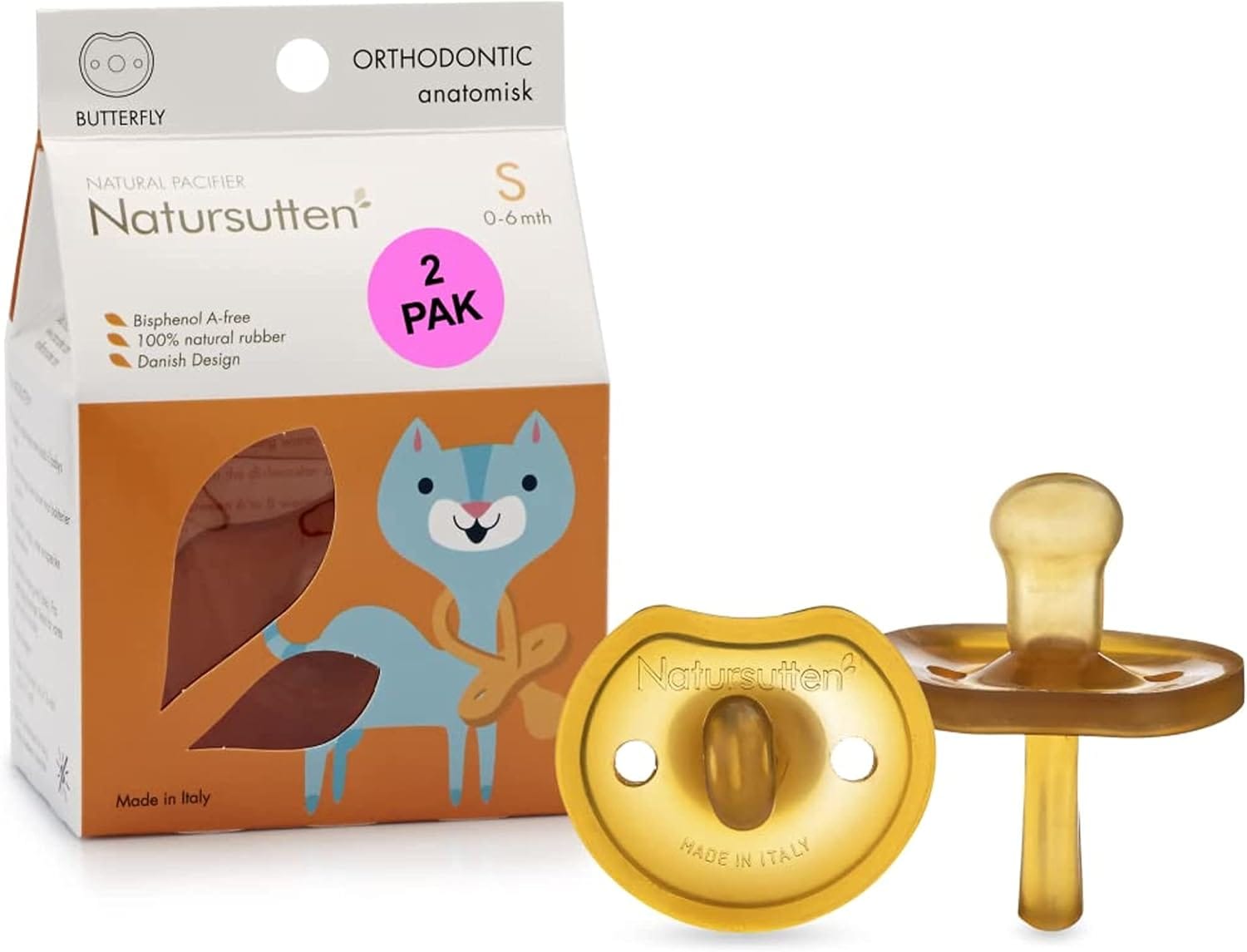
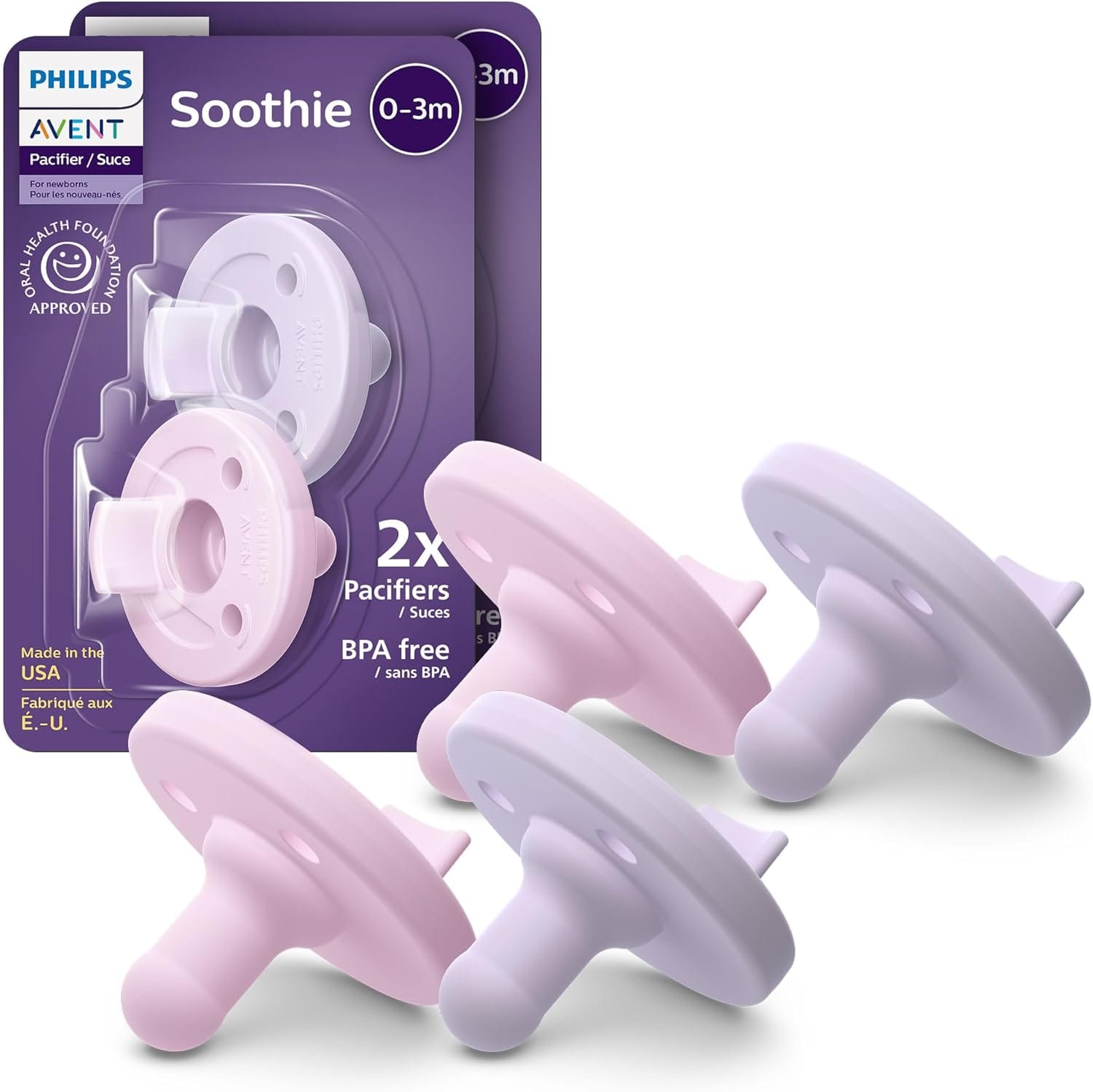
The Natursutten Natural Rubber Pacifier is one piece of Hevea rubber — the shield is the same material as the nipple, no polypropylene ring, no acrylic surface treatment. The Philips Avent Soothie uses medical-grade silicone and is one of the few pacifiers used in hospital newborn units, subject to CPSIA phthalate restrictions as a childcare article.
Baby bottles
Glass and stainless steel have no plasticizer concerns by material chemistry. The questions shift to the nipple and any internal coatings.

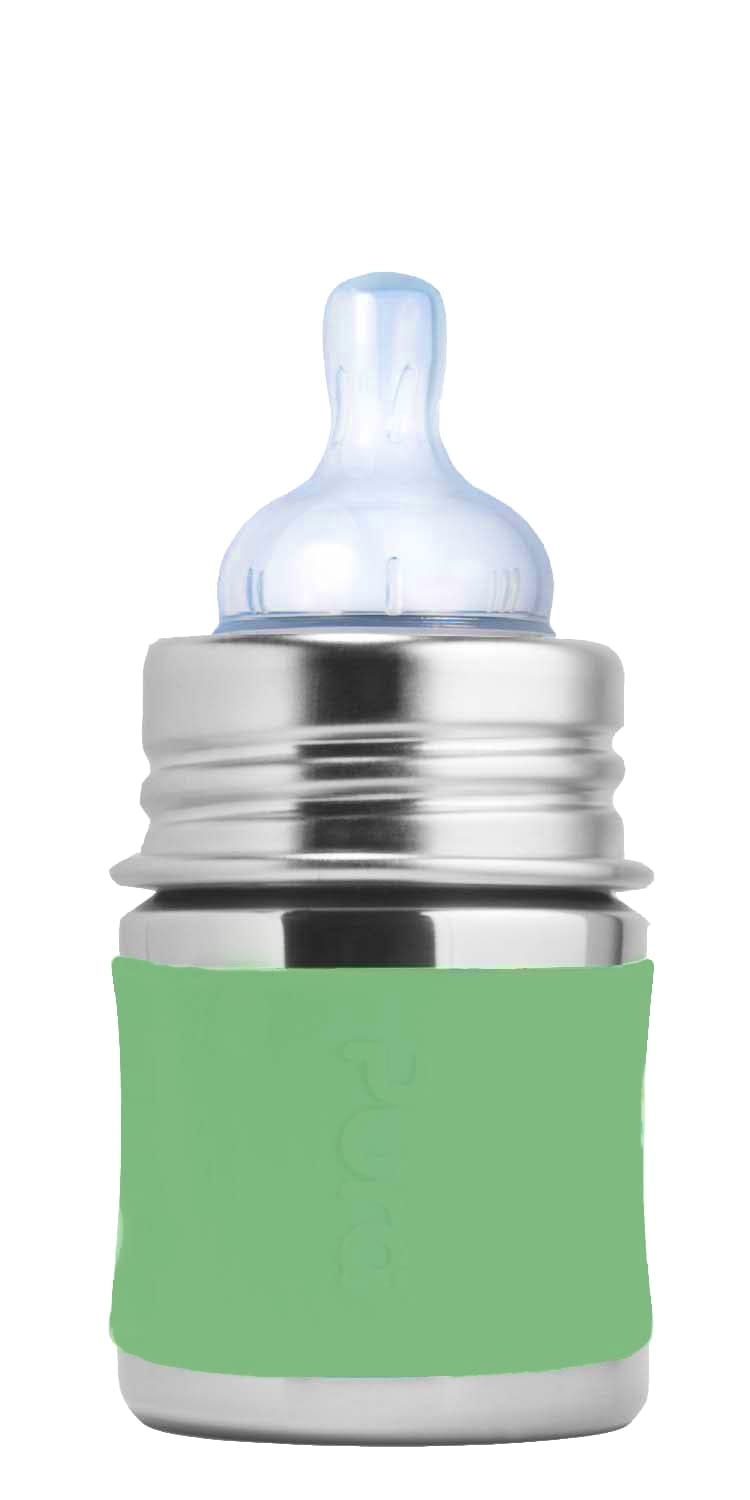
The HEVEA Glass Baby Bottle pairs borosilicate glass with a natural rubber nipple — same Hevea brasiliensis sourcing as their teethers, formulation disclosed on the product page. The Mason Bottle uses a standard wide-mouth mason jar (borosilicate glass) with a food-grade silicone adapter; the glass body is replaceable at any hardware store. The Pura Kiki Stainless Bottle is steel with no internal plastic liner and an NSF-certified silicone nipple; it converts to a sippy cup with separately available accessories.
Car seats
Car seats are overlooked in most phthalate discussions, despite being among the highest skin-contact surfaces in a child's daily environment — infants spend hours in them. Seat foam historically contained brominated flame retardants; the outer fabric in many designs uses surface treatments including plasticizers.
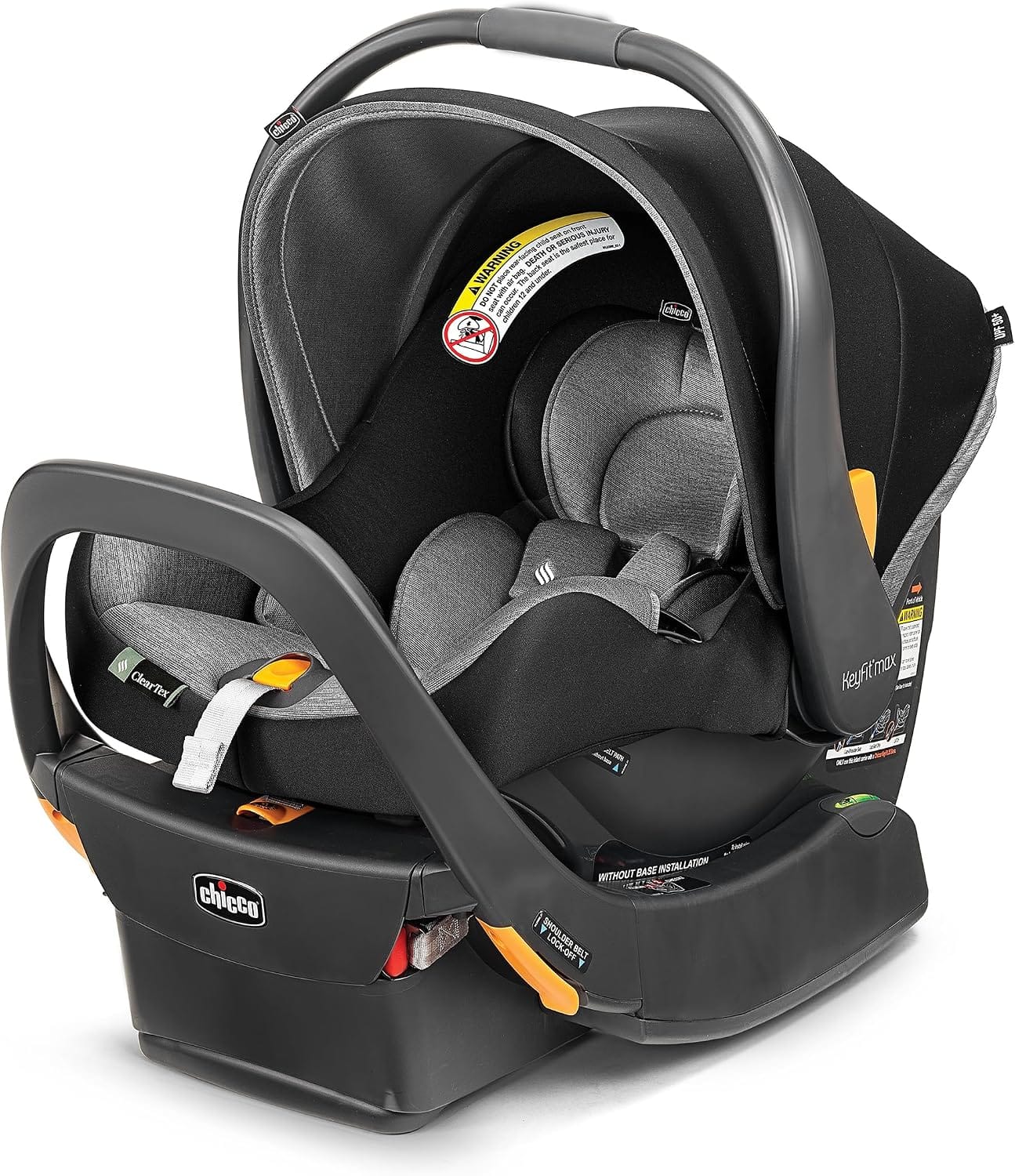
The certifications that matter here: GREENGUARD Gold (tests chemical emissions from foam and fabric, including phthalate off-gassing) and FR-free material design (merino wool or TENCEL providing natural fire resistance without chemical treatments).
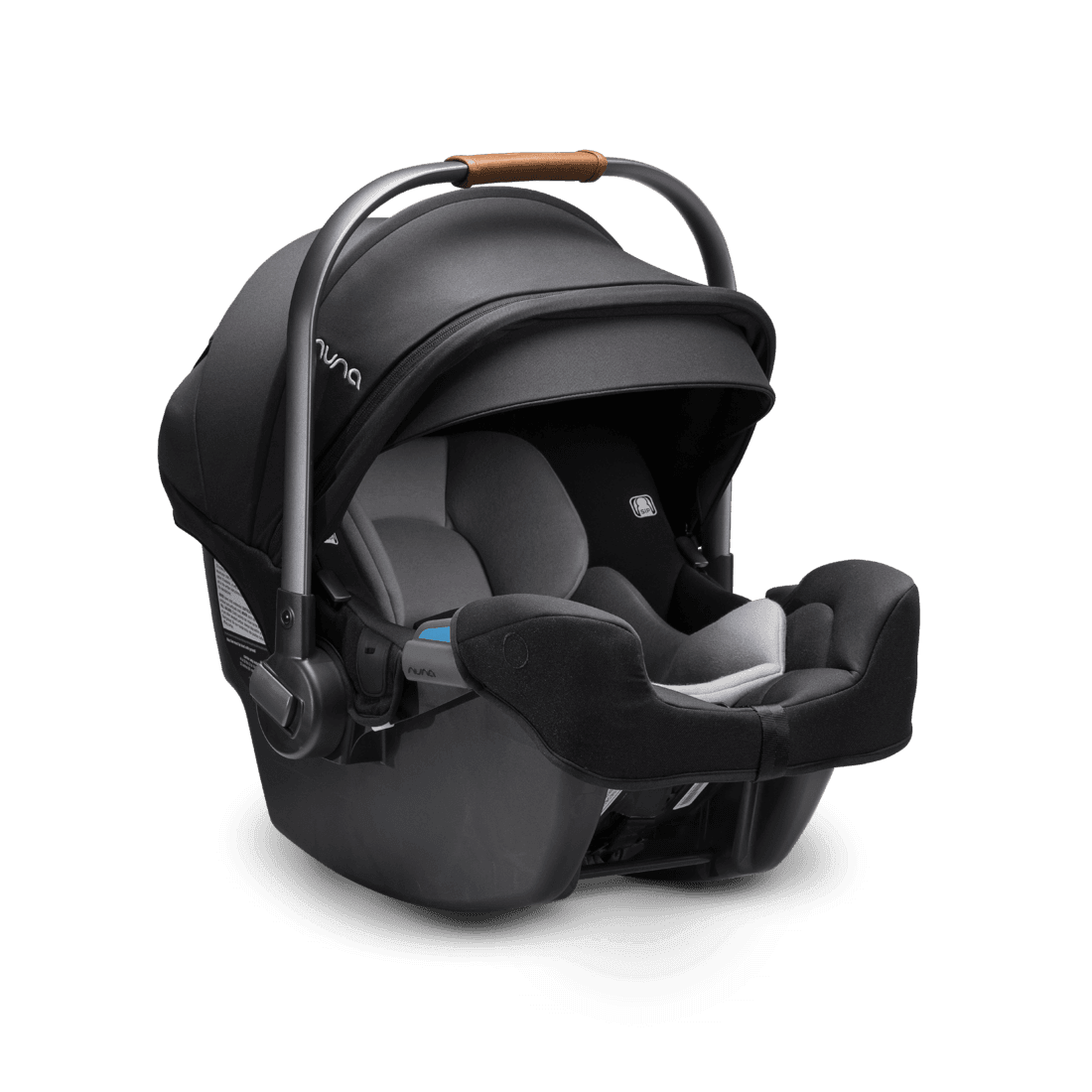
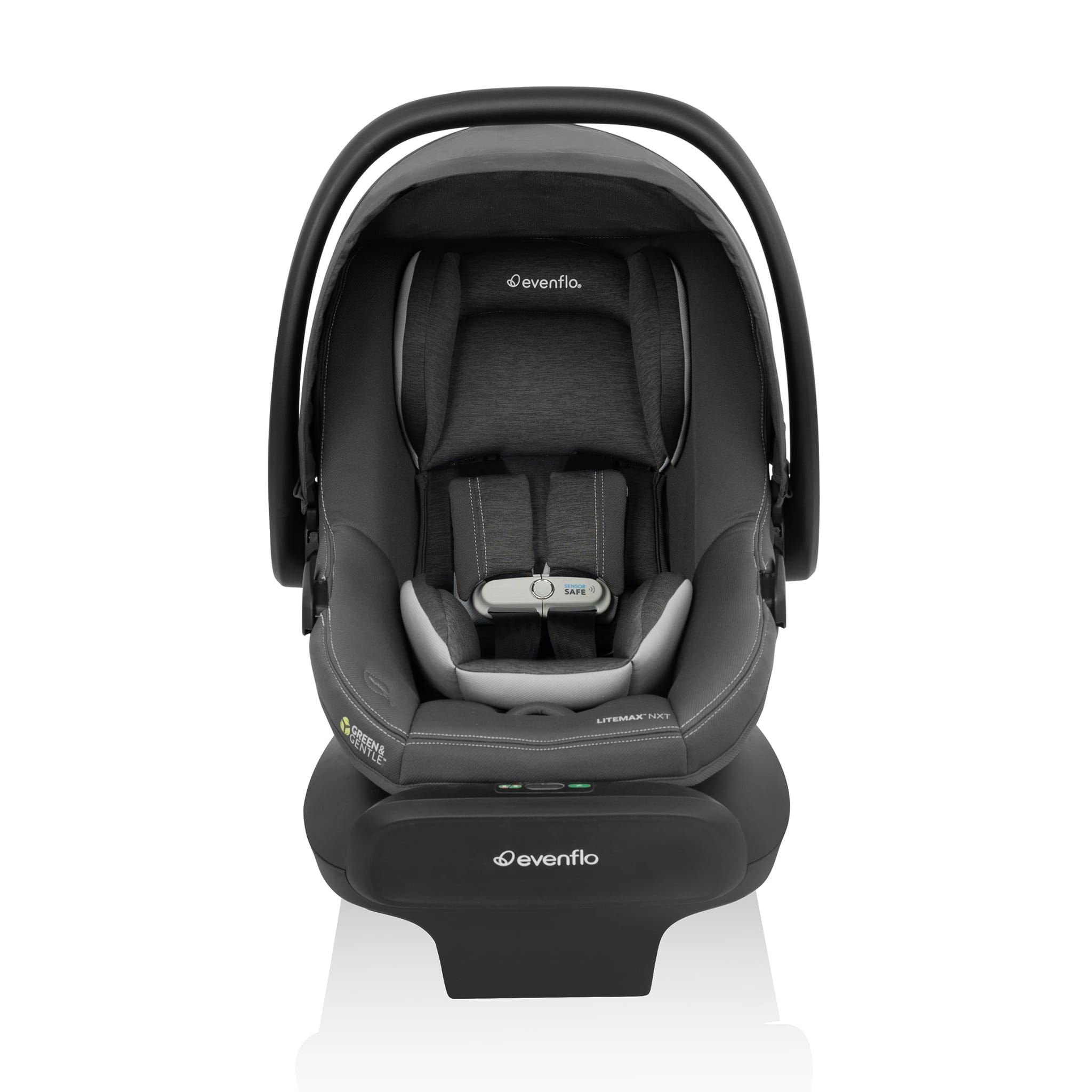
The Chicco KeyFit 35 ClearTex is GREENGUARD Gold certified; the ClearTex version specifically uses PFAS-free fabric, which Chicco distinguishes from the standard KeyFit on their product page. The uses a merino wool and TENCEL contact layer — both naturally flame-resistant, so no chemical FRs are added. The Britax Poplar S SafeWash is GREENGUARD Gold certified and machine washable; clean fabric means less chemical residue transfer over time. The Evenflo LiteMax NXT is the most accessible option — FR-free materials, GREENGUARD Gold certified, at roughly $150 to $180.
Play mats
Play mats are floor-level: infants lie face-down on them for extended periods. Most conventional options are EVA or PVC foam. EVA (ethylene-vinyl acetate) is lower-risk than PVC but can contain formamide as a foaming agent; PVC remains the higher-risk material in this category.
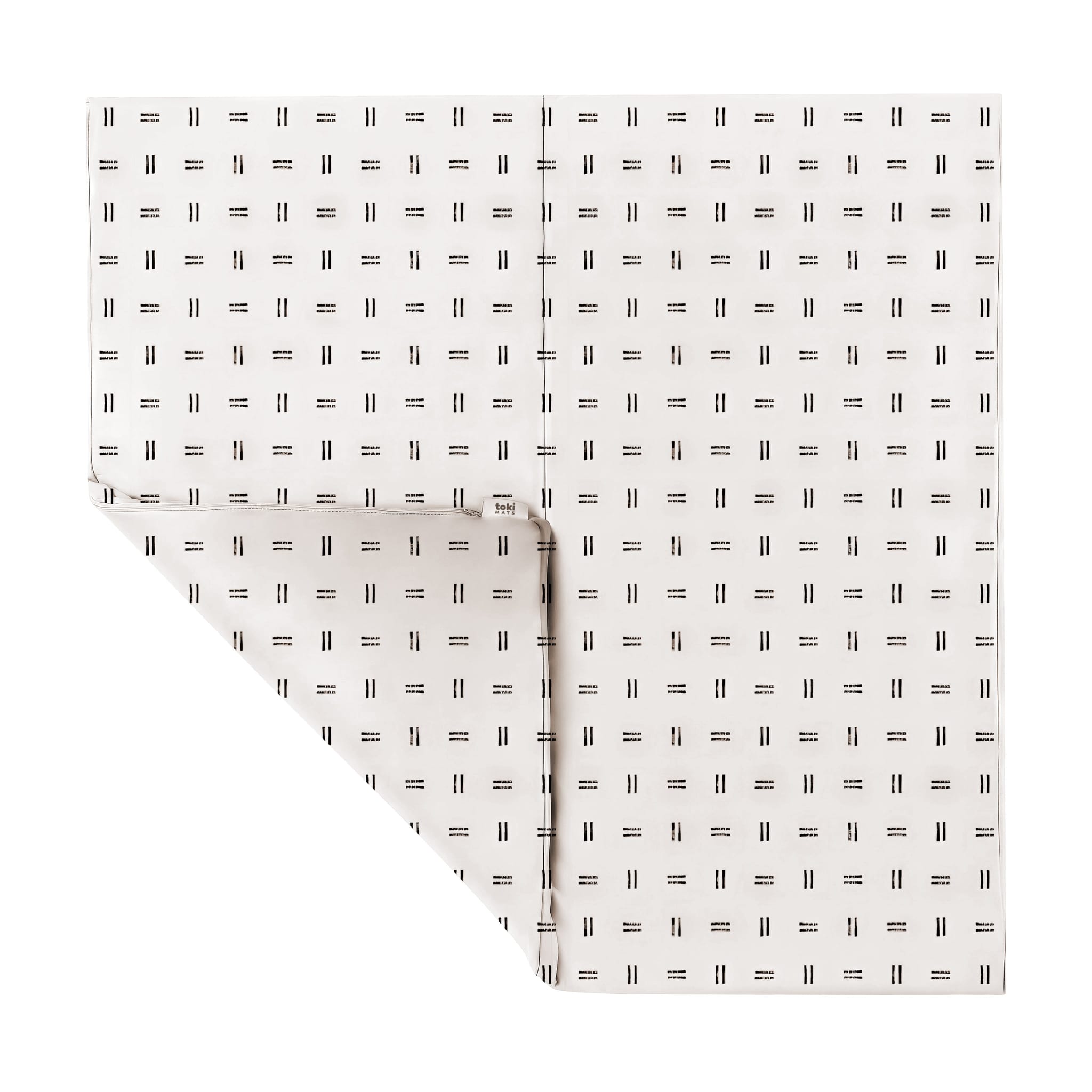
The Toki Mats Organic Cotton Play Mat (GOTS and OEKO-TEX certified) and the MakeMake Organics GOTS Play Mat are both GOTS organic cotton over natural fill — no polyurethane foam, no PVC, no added FRs. GOTS certification covers the processing chemistry throughout.
Changing pads
Changing pad covers are typically waterproofed with PVC or polyurethane. The foam beneath off-gasses into the changing area. Exposure here is less acute than teethers (no mouthing), but contact time accumulates.
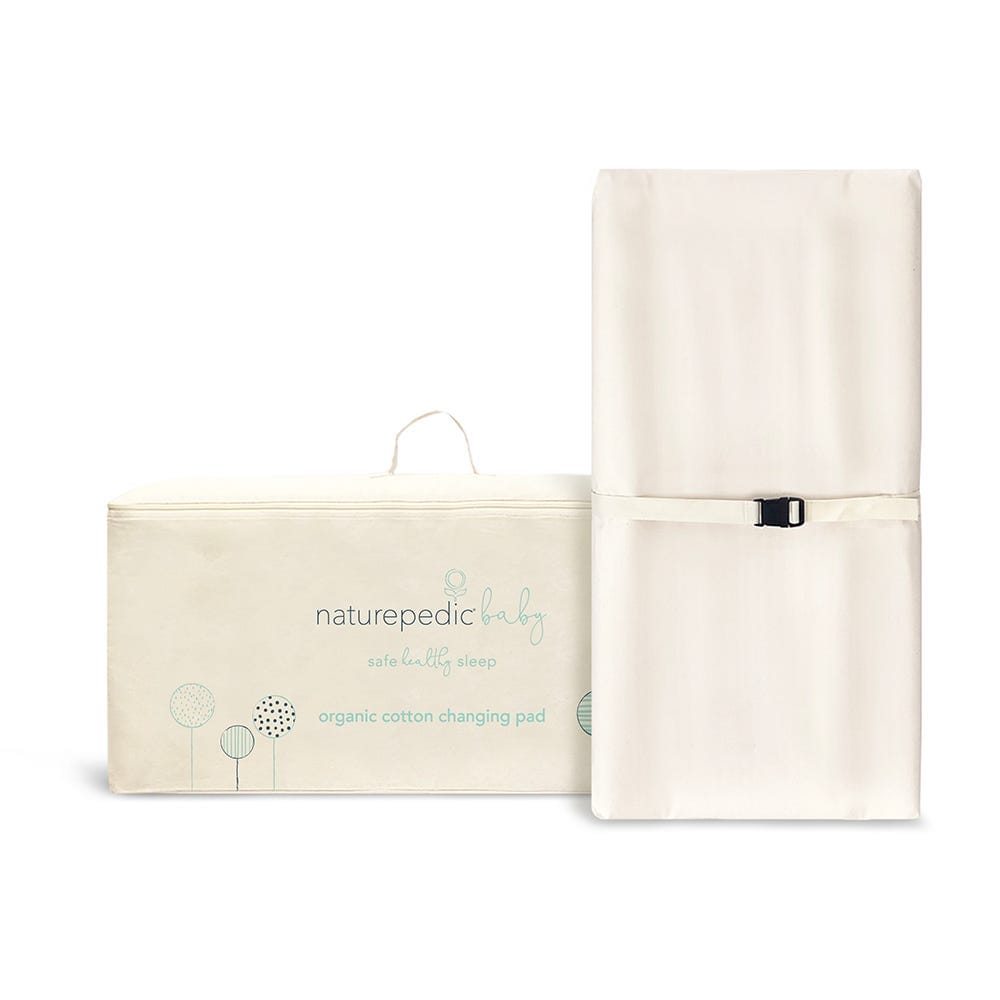
The Naturepedic Organic Changing Pad uses certified organic cotton over a food-grade polyethylene waterproof layer — polyethylene, like the HDPE in the Green Toys above, does not require phthalate plasticizers. No PVC, no added FRs, Greenguard Gold certified.
What we passed on
Munchkin Latch teethers. Made from TPE (thermoplastic elastomer), not silicone. TPE is not PVC, but formulation varies by manufacturer and is not always disclosed. Without a full material disclosure or third-party certification, it does not meet our sourcing trail standard.
MAM silicone teethers. The nipple is silicone, but the ring component is polypropylene and the specific silicone grade is not disclosed on the product page. The OEKO-TEX reference that MAM cites applies to their pacifier line, not this product.
Any bath toy with a hole. A construction disqualifier, not a brand-specific call. One-piece construction is required; any toy with a hole or internal cavity traps water regardless of outer material.
PVC rain gear from mass-market retailers. The dominant option in children's rainwear at major chains is PVC-coated fabric with no certification and no material disclosure. "Vinyl-free" claims without certification are unverifiable.
Maxi-Cosi infant seats. The brand does not currently publish FR-free claims or carry GREENGUARD Gold certification on their infant seat line. Not a categorical disqualifier, but the absence of both verification signals means we cannot confirm the material approach.
The certifications that actually help
Not all certifications test for phthalates. The ones that do — and what they tell you:
OEKO-TEX Standard 100 tests finished textiles and related articles against more than 1,000 substances, including all 16 priority phthalates. Relevant for bibs, rainwear, crib sheets, and car seat covers. Does not cover foam cores or structural plastics.
GREENGUARD Gold tests for chemical emissions from a product into indoor air, including phthalate off-gassing from foams and coated fabrics. Most relevant for car seats, play mats, mattresses, and anything with foam padding. It measures what comes off the product in use, not only what was put in.
GOTS (Global Organic Textile Standard) covers the full production chain for textiles, prohibiting certain processing chemicals including phthalate-based softeners used in textile finishing. Does not cover foam, silicone, or structural plastics.
CPSIA compliance answers the legal question for eight restricted phthalates (DEHP, DBP, BBP, and others at concentrations above 0.1% by weight). Does not restrict DiNP in toy categories, and does not cover phthalates not named in the original 2008 act.
None of these offers complete coverage. The most defensible approach combines material selection — silicone, natural rubber, glass, and stainless steel simply do not require phthalate plasticizers — with certifications as a verification layer for products where material substitution is not possible.
Cover image: Rainier Ridao via Unsplash (Unsplash License) — source.